What Is an Overbite? Causes, Symptoms, Types & Treatment Options
Contents
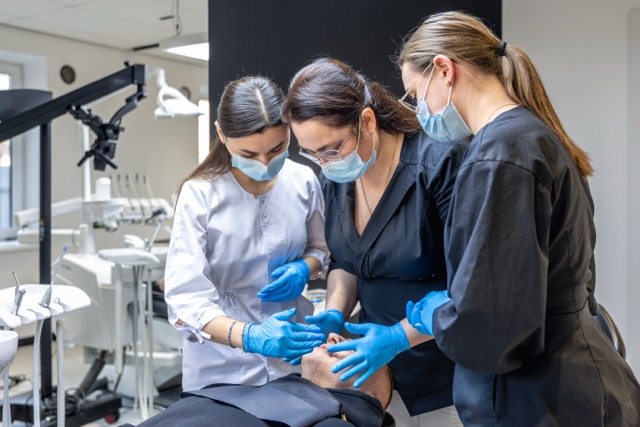
Though a minor overbite is considered normal, prominent front teeth overlapping can give way to future dental complications. Skeletal overbite isn’t merely an aesthetic issue: it can cause a range of problems like gum disease, tooth erosion, and jaw pain. If you suspect overbite symptoms, it’s crucial to visit an orthodontist for a thorough examination of your oral cavity.
We’ll examine the main types and causes of overbite, compare normal bite vs overbite, and explain how to fix overbite to enjoy a stable result for years. Let’s start with the definition!
What Is an Overbite?
A dental overbite is a condition where front teeth extend beyond the bottom teeth by more than 20% (which equals 2–4 millimeters). This type of malocclusion is treated by means of orthodontics or oral surgery. Though a small overbite is needed for proper teeth functioning, an untreated overbite can lead to numerous oral health issues.
Types of Overbite
Dental experts commonly distinguish two main types of overbites: vertical and horizontal. Let’s explore the meaning behind these terms.
Vertical Overbite
Vertical misalignment, sometimes called a “deep bite,” actually refers to overbite. This is when the upper teeth overlap the lower teeth more than what’s considered conventional. Sometimes, the lower teeth may touch the roof of the mouth, causing preliminary enamel wear or deterioration of the jawbone. A vertical overbite is commonly treated through orthodontics, but jaw surgery may be necessary if the case is severe.
Horizontal Overbite
Horizontal misalignment is also called an overjet or “buck teeth.” In this case, the upper teeth stick out diagonally beyond the lower teeth. Though it is frequently confused with an overbite, an overjet is mostly about the extent to which the teeth protrude. Horizontal overbite may impact facial shape and speech. It is typically treated with traditional metal braces or Invisalign clear trays.
Common Causes of an Overbite
Wonder, “What causes an overbite?” The main factors include genetics, environmental habits, and growing patterns.
| Overbite Causes | |
| Genetic Issues | Family history of malocclusion; Genetic traits like smaller lower jaw; Sporadic eruption of permanent teeth. |
| Developmental Habits | Unrestrained thumb sucking or pacifier use when a kid is over 3 years old; Immoderate nail biting; Regular tongue thrusting; Bruxism; Routine lip sucking; Early loss of milk or adult teeth without orthodontic intervention. |
Except for exaggerating bite problems, excessive teeth grinding can lead to premature enamel wear, making it essential to wear an occlusal mouthguard at night.
Symptoms of an Overbite
Considering how common are overbites, which is nearly 20% of kids and 13% of adults in severe cases, it’s relatively easy to notice the main symptom. This is when the upper teeth unsightly overlap the lower teeth more than they should. However, an overbite can also be accompanied by:
- Breathing challenges;
- Excessive tooth wear;
- Pain during munching;
- Jaw pain and discomfort;
- Headache;
- Facial tension;
- Cavities;
- Gum disease;
- Speech concerns.
If you notice any of the aforementioned signs, you should address them regardless of age. Though orthodontic treatment works splendidly when the jaw is still developing, adults can also have their bite corrected to avert long-term issues.
3 Treatment Options for Children and Adults
The choice of overbite treatment depends on your case severity and the type of jaw structure. First, an orthodontist performs a detailed physical examination and studies your dental X-rays to develop a customized treatment plan. If you want to get rid of overbite and straighten your smile, it’s reasonable to view different professional opinions: overbite treatment is a long-term venture that varies for children and adults.
- Braces
Braces are a specialized orthodontic system for bite correction and teeth alignment. They gradually move teeth to the right sites, eliminate profound interdental gaps, and correct the lower jaw position. Traditional metal braces are effective for severe overbite. Certain cases require preliminary tooth extractions to provide the remaining teeth with more space for maneuver. The result is firmly secured with retainers to prevent teeth from changing their new positions in the future.
- Clear Aligners (Invisalign)
Orthodontists may offer Invisalign for overbite correction in adults, as invisible aligners provide a discreet way to address malocclusion. The system comprises several sets of clear plastic trays that guide your teeth into the correct position. Invisalign treatment requires discipline and commitment: you must wear them at least 22 hours a day. However, unlike conventional braces, aligners provide comfort: you can temporarily take them off while eating, brushing your teeth, or shooting a photo.
If you hesitate between Invisalign vs. braces, you might benefit from our detailed comparison of their pros and cons and use cases. Sometimes, the choice isn’t a viable option as braces can provide a better outcome for a patient in the most complex cases.
- Jaw Surgery (Severe Cases)
Orthognathic surgery may be required in the most severe cases, when underlying skeletal issues should be corrected to improve teeth alignment. Traditional braces won’t provide the desired result, but jaw surgery can cope with the toughest overbite.
It is usually performed under general anesthesia. An oral surgeon makes incisions in the gums and deliberately divides the underlying jawbone into segments to move it into the right position. A doctor may apply surgical screws or plates to set the jaw. The recovery time frame varies based on the type of surgery required and the patient’s bone structure.
What Happens If an Overbite Is Not Treated?
Is having an overbite bad, or can you live happily without experiencing any negative effects? Unfortunately, an overbite adds to aesthetic side effects:
- Breathing problems, such as disruptive snoring or sleep apnea;
- Difficulty chewing;
- Speaking distortions;
- Headaches;
- Jaw issues (including temporomandibular disorders characterized by jaw pain and stiffness);
- Heightened risk of cavities and gum disease;
- Neck pain.
Fixing an overbite can help avert numerous health problems and significantly improve mental well-being. Self-consciousness about your dental health has a long-term impact on quality of life: a straight smile features both aesthetic and functional aspects.
If you need help with exploring modern orthodontic treatments, our VIP dental care services are at your disposal. Our experienced doctors will process your overbite-related concerns, provide a meticulous examination of your dental issue, and develop a customized treatment plan so that you can enjoy a more aligned smile.
Frequently Asked Questions About Overbite
Can an overbite change your face shape?
An overbite typically makes the face look asymmetric, while fixing teeth misalignment can change the face shape for the better. When the teeth are in the correct position, the face looks more harmonious and balanced.
Can you fix an overbite naturally?
Many people seek natural methods to fix an overbite without braces, aligners, or surgery. While several techniques, such as tongue posture or facial muscle training, can help improve jaw alignment when an overbite is still developing, they won’t cope with a moderate or severe overbite. In this case, only orthodontic treatment can be helpful.
Is it too late to fix an overbite at 30 or 40?
No, as long as a patient wants to improve their dental health and appearance, adult teeth straightening can be applied. Sometimes, an overbite is complemented by overcrowding or crooked teeth, which requires a comprehensive approach to orthodontic treatment. The result depends on the case severity and oral health.
How long does it take to fix an overbite with braces?
The time frame depends on the overbite’s type, its complexity, and the patient’s individual peculiarities. For example, the process of teeth alignment in adults may take longer than in childhood, and a deep overbite requires more time to be fixed. On average, you need at least two years to get a straight smile if the overbite is severe.
Additional Resources
- When seeking orthodontic treatment, people may be driven by the level of tolerance of malocclusion in society. A recent research on overbite recognition examines different factors affecting aesthetic tolerance of teeth misalignment.
- This study reveals how the reduction of a deep overbite may be performed in adolescents.
- If excessive overbite causes you significant psychological concern, read this study on its prevalence and possible etiological significance. Knowing that you are not the only one suffering from this dental condition might be supportive and inspirational for future changes.