Exposed Tooth Root: Causes, Symptoms, and Treatment Options
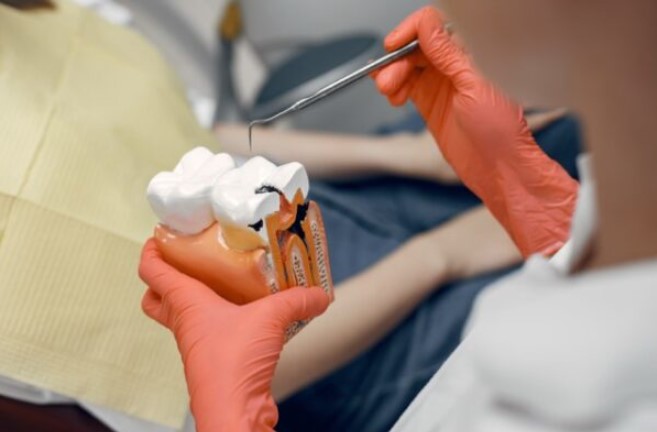
An exposed tooth root is a painful state that can lead to oral health complications, including heightened sensitivity and infection. If you notice a tooth root isn’t sufficiently concealed by the gums anymore, you might wonder, “Why is the root of my tooth showing?” We’ll explain the common causes of this condition, the warning symptoms to pay attention to, and the proven treatment methods applied in dental practice. An exposed tooth root isn’t merely a cosmetic issue: it may affect your ability to chew and speak, so read on for some useful information and learn how to care for your gums properly.
What Does an Exposed Tooth Root Mean?
A healthy tooth root is naturally covered by the gums and securely anchors the tooth in the jawbone. What does a root of a tooth look like? Normally, nearly half of a tooth is visible above the gumline. When this concealed part of the tooth becomes exposed, it means your teeth or gums may be damaged. You might notice the shape of the gums or teeth has changed. Moreover, you can experience sensitivity and sharp pain.
Common Symptoms of an Exposed Tooth Root
With the bottom of tooth exposed, come several physical signs. These symptoms may be very uncomfortable and lead to severe pain if not treated soon.
- Severe Tooth Sensitivity
While an exposed root may sometimes be invisible, its distinct marker is pronounced tooth sensitivity. To diminish pain and irritation, you can try specialized toothpastes, brush teeth gently with a soft-bristle toothbrush, and avoid extra hot, cold, and sugar-rich foods.
- Visible Change in Tooth Length
Normally, your gums should have an even shape or thickness across all teeth. When some teeth have less gum tissue than others, this might be a sign of receding gums. Exposed root makes your tooth look longer than before, changing the shape of your gumline.
- Pain While Eating or Drinking
A person with an exposed tooth root may also experience pain in the jaw while chewing or drinking. The reason may lie in the infection developing around the area, so it’s vital to consult a dentist to have the infection-causing bacteria eliminated.
- Localized Discoloration Near the Gumline
The exposed area may look discolored as the darker dentin becomes visible near the gum margin. When the gums recede, this underlying tooth part becomes exposed, and it is naturally more brown or yellow.
What Causes Tooth Roots to Become Exposed?
Exposed tooth roots can originate from a number of factors, such as aggressive brushing, gum disease, tobacco use, bruxism, misaligned teeth, and more. The exact cause can be identified only after an all-encompassing professional examination of your oral cavity, with an account of the related complaints.
- Gum Disease (Periodontitis)
Periodontal disease spreads on the gum tissue, making the gums look red, swollen, and bleeding. If neglected, it can gradually lead to root exposure, affect the bones surrounding the gums, and make teeth loose. The risk for gum disease is enhanced if you ignore daily oral health care.
- Aggressive Brushing
You can unintentionally damage your gum line by vigorous brushing or using a hard-bristle toothbrush. If you don’t want to encourage your gums to recede, choose a toothbrush with soft bristles and apply gentle, circular motions so that it does not hurt your gums.
- Teeth Grinding (Bruxism)
Untreated teeth grinding can result in sharp, wedge-shaped grooves in teeth near the gum line called abfractions. Biomechanical stress causes the enamel to chip away, resulting in distinct V-shaped notches. Dental abfractions require regular monitoring, and in severe cases, surgical gum grafting might be needed.
- Aging
Natural aging and genetic predispositions can gradually thin gum tissue, which can expose the roots of teeth. Older adults are at greater risk for developing gingival recession and periodontal disease due to a lack of dexterity, dentures, and poor oral hygiene.
4. Misaligned or Crowded Teeth
If your teeth are misaligned or crowded, it can lead to their rotation or shifting, making the roots emerge from below the gumline. Fixing the problem requires orthodontic treatment with traditional braces or more modern Invisalign clear aligners.
- Tobacco Use
Nicotine and other toxic chemicals in tobacco promote gum recession and jawbone loss, making tooth roots more visible. They restrict healthy blood flow to the gums, gradually leaving the sensitive tooth roots exposed.
- Trauma
A tooth root may become visible as a result of damage from surgery or injury. The best way to avoid this is to choose a professional oral surgeon and wear a custom-fit mouthguard for all contact sports, such as hockey, rugby, and martial arts.
While a dental trauma is the most obvious cause for root exposure, it might be challenging to define a contributing factor in your case. An experienced dentist can detect the early signs of gum recession and help you adjust your lifestyle so as not to exaggerate this condition.
Dangers of Leaving an Exposed Root Untreated
Leaving an exposed root to its own fate won’t help the condition to pass by itself. On the contrary, minor exposure with monitorable sensitivity can progress into visible roots and tooth decay. In the most severe cases, recession may undermine tooth stability.
Except for tangible discomfort while eating and drinking, a person can experience faster tooth wear as the condition progresses. Therefore, the sooner you spot it, the more time and money you will save in the long run.
How Dentists Treat Exposed Tooth Roots
You can use desensitizing toothpaste for temporary relief, but for long-term protection and comfort, it’s reasonable to seek professional treatment options. A dentist or periodontist may recommend several treatments to reduce gum recession and protect your roots from further exposure.
Non-Surgical Treatments
If the exposed tooth root is in its early stage of development, your doctor may prescribe more sparing methods:
- Gargle with saline solution. This is a go-to method for temporary relief before you schedule a dental appointment. Salt, dissolved in warm water, can help eliminate bacteria causing infection in the oral cavity.
- Scaling. A dental practitioner can use manual or ultrasonic instruments to chip away plaque and remaining deposits below the gumline.
- Composite bonding. Covering the exposed root with a tooth-colored filling can eliminate pain and discomfort in the early stages.
- Desensitizing agents. A doctor may prescribe stronger solutions to deal with persistent tooth sensitivity.
- Fluoride varnishes. Using a highly concentrated treatment with 5% sodium fluoride can help remineralize the existing lesions, relieve sensitivity, and prevent root decay.
Non-surgical treatment is aimed at removing the infection and stopping the condition from progression. To preserve the achieved results and avert further recession, it’s vital to have routine teeth cleanings and implement certain changes into your diet. For example, sugary and starchy foods can promote further irritation, so their consumption should be limited.
Surgical & Restorative Treatments
For mild and severe cases of root exposure, a dental professional can recommend surgical or restorative procedures:
- Gum grafting. Different grafting techniques are commonly used to restore the thickness of gum tissue and cover the bare root. The procedure involves stitching a flap of gum over the affected root area to protect it from harmful bacteria in the oral cavity. The root becomes sensitive after the gum graft surgery, so you have to carefully follow your doctor’s instructions.
- Severe misalignment or decay. While orthodontic treatment can help straighten misaligned teeth and position them properly, in severe cases, you might need oral surgery.
The choice between surgical and restorative methods depends on the cause complexity and is aimed at regenerating lost tissue to fortify the exposed root.
How to Prevent Gum Recession
Prevention is the best way to catch the signs of gum problems and receive professional dental care in a timely manner:
- Daily teeth inspection. While brushing your teeth, pay attention to the state of your gums. If you notice irritation, swelling, or receding gum, this can be a warning sign of an exposed tooth root.
- Gentle brushing. Use a soft-bristle toothbrush and be especially careful around the gums since aggressive scrubbing can harm them. If you experience pain when brushing your teeth or your gums frequently bleed, see a dentist as soon as possible.
- Avoid smoking. The risk of gum disease in people who use tobacco products is twice higher than in those who have never smoked.
- Regular in-office exams. Do not wait for severe pain to visit your dentist; sometimes, changes to the shape of teeth or gums aren’t visible. When a tooth is located at the back of the mouth, or your teeth are very crowded, the beginning gum recession can be omitted during self-inspection. A doctor can spot the problem at its onset and advise measures to prevent further complications.
Seek professional help if you notice any sign of infection or root exposure: it will help you avoid more extensive medical treatments.
Conclusion
Exposed tooth roots may be caused by different factors, such as gum recession, tooth decay, dental trauma, misaligned teeth, gum disease, and more. Pay attention to any discomfort with your teeth and gums as it can signify an early sign of gum recession. Timely treatment can reduce the risk of complications, and a prompt professional intervention may help you avoid surgical methods.
To prevent receding gums and the accompanying sensitivity or pain, maintain thorough dental hygiene, avoid aggressive brushing and smoking, and see a dentist regularly for an all-encompassing examination. It’s better to catch an exposed root at its early stage of formation than to treat it after the condition has progressed severely.
Frequently Asked Questions
What does an exposed tooth root look like?
Normally, tooth enamel is white and shiny, partially covered by firm and light coral-pink gum tissue. An exposed tooth root might make the tooth look elongated, and the affected enamel gains a yellowish, grayish, or light brown shade. You might also notice tiny, V-shaped grooves in the place where the tooth meets the gum.
Can an exposed tooth root heal on its own?
No, if you notice a root showing on tooth, you should seek professional help as soon as possible. Even if you adjust your oral care and lifestyle, the affected gums won’t restore thickness on their own.
Is an exposed tooth root a dental emergency?
An exposed tooth root isn’t considered a dental emergency if the pain is mild, but you can’t ignore this condition for a long time. Since the exposed roots lack protective enamel, it increases the risk for severe sensitivity, rapid decay, and oral infection.
Does gum recession always expose the root?
On average, gum recession exposes roots, revealing the softer tooth layer below the gumline. This can lead to intense pain or pronounced sensitivity to hot, cold, and sweet foods. Remember to seek dental care as soon as possible because gum tissue won’t regrow on its own.
Additional Resources
- Learn the connection between root exposure and periodontal disease in this comprehensive study by Italian scholars.
- Exposed root surfaces often come hand-in-hand with root caries. Explore the risks and prevalence to prevent this dental problem.
- Here you can examine the case when root coverage is treated alongside with orthodontic intervention.