Top Braces Only or Bottom Braces Only: Is Single-Arch Treatment Right for You?
Seeking a smile makeover, people with uneven teeth might want single arch braces. The solution seems logical: why pay more for both top and bottom braces if the upper teeth are more visible, and you can save by getting just top braces? However, this might not be the best option. Partial braces can compromise proper teeth alignment, so it’s vital to consult an orthodontist before making this life-changing decision. Such braces can prove costly in the long run: many patients require orthodontic retreatment after the initial attempt. Let’s learn the key differences and risks to be on the safe side.
What Is Single-Arch Orthodontics?
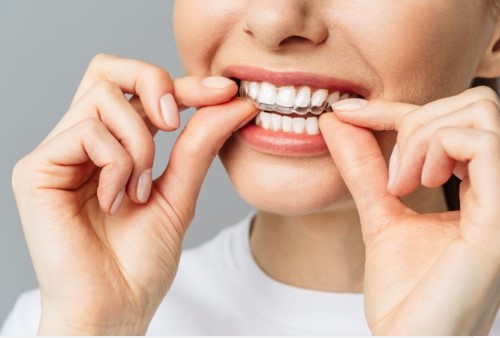
Single-row treatment helps to straighten crowded, crooked, or misaligned teeth on only the upper or lower dental arch. Traditional braces or Invisalign aligners are used when it won’t harm the overall bite.
The causes for single-arch treatment may differ:
Aesthetic purposes. People may choose one-arch treatment when they need only a slight adjustment of particular teeth, especially on the front.
Cost issue. Getting top or bottom braces only saves the need to pay money for the opposing dental arch. However, it’s not always possible to ensure proper tooth positioning, making the result unstable.
Braces for bottom teeth and upper dental row make the best scenario for orthodontic treatment.
Top Braces Only: What You Need to Know
Braces on top teeth only focus solely on aligning the upper arch, but aesthetic goals shouldn’t outweigh oral health needs. Let’s learn about considerations and limitations related to braces just on top.
When Top-Only Braces Can Work
An orthodontist may recommend upper braces for the following reasons:
Minor aesthetic changes. If your teeth need to be slightly shifted for an accurate occlusion, this might be an option.
Tiny gaps or minimally crowded teeth. If top teeth are slightly crowded or have minor interdental gaps, small adjustments with clear aligners or braces might be enough.
Advanced techniques in dentistry, such as 3D scanning, can help understand to which extent the teeth will come together.
When Top-Only Braces Are NOT Recommended
Several issues might make you ineligible for getting top-only braces
Significant bite concerns. Focusing solely on the top teeth may not help to correct an overbite, underbite, or crossbite. It can worsen the alignment and lead to jaw pain.
Severe tooth crowding or spacing. Top braces may not handle functional issues.
Uneven jaw growth. Correcting only the top arch can contribute to bite imbalances.
Bite-related jaw tension. Braces on one arch can trigger uneven pressure on jaw joints, causing joint popping, headaches, and facial soreness.
Thus, comprehensive treatment with top and bottom braces is preferable for proper bite and jaw alignment.
Risks of Braces on Top Teeth Only
Let’s discover which negative impact top-only braces can have on bite alignment and overall health:
worsening of bite issues in the long-term perspective;
occlusal imbalance;
discomfort;
jaw pain;
possible future adjustments;
uneven tooth wear, and more.
For optimal resuls, address both dental arches with Invisalign aligners or traditional/ceramic braces.
Bottom Braces Only: What You Need to Know
Getting bottom row braces only might suffice when your upper teeth look relatively straight. It all depends on how well your upper and lower teeth fit together. By moving teeth on only the lower arch, you can disrupt a perfect bite relationship, so it’s vital to consult a doctor to determine whether lower braces only are suitable for you.
When Bottom-Only Braces Can Work
Now, let’s explore whether your question “Can I get braces on bottom teeth only?” has a positive answer. This option can work in the following cases:
Mild to moderate lower-arch crowding. When the upper teeth are well-aligned and the bite functions properly, bottom row braces may suffice.
Stable occlusion. This alternative may be feasible if shifting the lower teeth isn’t likely to interfere with the overall occlusion.
It’s vital to prevent unintended shifting of lower teeth relative to the upper arch, so an orthodontist should have relevant experience.
When Bottom-Only Braces Are NOT Recommended
Obtaining braces on the bottom teeth only isn’t preferable in the following cases:
A skeletal jaw discrepancy. It suits patients with minor crowding or misalignment in the lower arch.
Active gum disease. Gum health matters must be addressed before applying braces to the lower teeth.
Dental onlays, crowns, or implants. Though not a strict contraindication for lower teeth straightening, dental works need deliberate planning.
If you aim to get a functional bite, ensure that the treated issue is purely cosmetic or minor crowding.
Risks of Braces on Bottom Teeth Only
Though bottom straight teeth appliances target specific concerns such as minor cosmetic tweaks, fixing the bottom arch in isolation can potentially lead to:
misaligned bite;
tooth chipping;
premature contact between certain teeth;
temporomandibular joint (TMJ) disorders;
uneven tooth wear;
difficulty chewing;
speech difficulties;
future interventions for a correct bite, etc.
Addressing both upper and lower teeth from the start can minimize the need for future expenditures.
Top Braces Only vs. Bottom Braces Only: Key Differences
Knowing the differences between these two options can help alleviate anxiety and enable you to talk to your orthodontist more confidently.
The risks can be managed with a comprehensive bite analysis before the treatment. A retainer is a must to keep the aligned teeth in place.
Who Is a Good Candidate for Single-Arch Braces?
Some people are more suitable for having single-arch braces fitted:
adults with orthodontic relapse;
people seeking minor cosmetic improvements;
patients who have already straightened their upper or lower teeth.
It doesn’t mean you aren’t eligible for the treatment if you don’t belong to the mentioned groups. Each case is professionally evaluated before treatment plan development.
Why Most Orthodontists Recommend Full-Arch Treatment Instead
Ensuring your upper and lower teeth interlock properly is crucial to prevent jaw pain or bite problems. This helps obtain a stable, balanced bite and avert upper and lower teeth mismatch, making your smile visually pleasing and more harmonious. Applying braces or clear aligners on both dental arches allows better control over tooth straightening and provides better results.
Does Single-Arch Treatment Save Money?
Though single-arch orthodontics is considered cheaper than full dual-arch treatment, the expenditures aren’t precisely cut in half. You have to pay for the orthodontist’s consultations, construction positioning, regular adjustments, braces removal, and post-treatment retainers. With Invisalign, you pay for a set of clear, plastic aligners, which enable less regular dental visits than with braces. However, the risk of retreatment in the case of unsuccessful tooth straightening is high, involving extra expenditures.
Single-Arch Braces vs. Single-Arch Invisalign
Let’s lay out the key pros and cons of single-arch Invisalign and braces to help you make a well-informed decision.
Conclusion
Your upper and lower teeth need to link up in perfect harmony. Adjusting a single arch without considering the other one can lead to bite changes, uneven tooth wear, TMJ discomfort, and orthodontic relapse. A doctor has to ensure that it is appropriate in your case. Experts in our Cosmetic & Implant Dental Office perform an all-encompassing assessment of the bite relationship and carefully plan and monitor the process for the best health and cosmetic results. Feel free to book a consultation with our dentist for the proper alignment of your upper and lower teeth.
Frequently Asked Questions
Can you get braces on just your top teeth?
It’s possible in theory, but not so frequent in practice. Single-arch treatment on the upper teeth can undermine your bite stability, lead to jaw pain, and cause enamel damage if you aren’t eligible for it.
Can you get braces on just your bottom teeth?
Yes, but in a tight variety of cases. It’s suitable for minor teeth crowding or spacing when the top teeth are straight and the bite is well aligned.
Do top braces or bottom braces hurt more?
Most patients claim the discomfort is more tangible with bottom braces because of the tongue rubbing while talking and eating. The lower jaw is very active, which promotes extra pressure on the bottom teeth when chewing.
Can bottom-only braces make my bite worse?
Only in the cases when the lower teeth are shifted without guidance from the opposing arch. The teeth can misalign, causing jaw pain and premature tooth wear.
What happens if my bite changes during single-arch treatment?
It depends on whether the alignment is successful. If your bite becomes functional, you can enjoy a straightened smile. Otherwise, you can experience bite worsening, TMJ discomfort, uneven tooth wear, and other unwilling complications.
Additional Resources
Examine the case of a single-arch rehabilitation with digital tools and traditional methods.