Pit and Fissure Cavity: Symptoms, Causes, Treatment & Prevention
You can practice diligent oral hygiene, but still need to have your old tooth fillings replaced. Our teeth aren’t smooth-shelled, and pathogenic microflora can accumulate in hard-to-reach areas, causing pit and fissure caries. You can minimize the risks by learning the factors, signs, and symptoms, and we’ll tell you how. Learn preventive strategies and treatment alternatives to keep pit and fissure decay at bay.
What Are Pit and Fissure Cavities?
Pit and fissure caries stem from dental anatomical features and develop in the deep fissures of molars and premolars. This pathological process is primarily caused by poor oral hygiene and can progress rapidly if left untreated. Some people are genetically more predisposed to cavities, but occlusal surface decay can also happen due to chronic diseases, malnutrition, and an unbalanced diet.
Why Are Pits and Fissures So Prone to Decay?
According to recent statistics, molar cavities take roughly 45% of all dental caries. Fissures are more challenging to clean than front teeth. The grooves of the back teeth are deep and complex, making a favorable environment for plaque buildup. If not cleaned properly, food particles and bacteria can accumulate there. The community of microorganisms settles on teeth, eroding the enamel over time. This is how the pit and fissure cavity appear.
Food Retention in Tooth Grooves
Given a complex structure of molars, the nature of nutrition plays a significant role in cavity formation. Sticky or hard foods tend to get caught in the fissures. Experts recommend eating coarse plant foods to clean the tooth surface and prevent food debris from accumulating in the recesses.
Bacterial Activity
Occlusal caries are mainly caused by bacterial activity in the oral cavity. Bacteria feed on food remnants trapped in deep grooves and produce acids that ruin tooth enamel. This eventually promotes the need for tooth fillings or sealants with antimicrobial properties.
Inadequate Oral Hygiene
Pits and grooves in molars and premolars may be narrower than a toothbrush bristle. Limited access to saliva makes it more challenging to clean from trapped food debris. To stop the cavity from progressing, proper tooth brushing is required:
- Brush your teeth diligently at least twice a day;
- Use a floss;
- Rinse your mouth with water after acidic or sugary foods;
- Limit the intake of sodas or other drinks that can make teeth susceptible to dental caries on pit and fissure surface.
Regular dental visits can also benefit your oral health, enabling a dentist to monitor the well-being of deep fissures and minimize the risk of cavities.
Who Is Most at Risk?
These top-3 groups are at elevated risk of having tooth decay.
- Children and Teenagers – Pit and fissure cavities typically occur in children and teens. The enamel of milk teeth is less sturdy, and kids tend to ignore a daily oral routine. Besides, children can gnaw on toys and other home stuff.
- Adults With Deep Tooth Grooves – This type of caries is also frequently diagnosed in adult patients. Those who neglect oral hygiene and postpone regular dental visits might need to treat cavities later.
- Patients With Poor Oral Hygiene – A lack of regular, effective dental care (insufficient brushing, ignoring dental floss, and missing dental visits) encourages bacterial growth in tooth fissures. Harmful habits, such as smoking and chewing on hard foods, add to the risk of cavity progression. If untreated, the disease can spread to the pulp and cause the need for more complex procedures such as root canal therapy.
Signs and Symptoms of Pit and Fissure Cavities
The early stage of caries can be noticed at a dental examination, but only if it develops in open fissures. A closed type of caries can’t be detected during visual inspection: it forms beneath the enamel surface. In this case, dental X-rays are required. Let’s learn about other tangible symptoms.
Tooth Sensitivity
A distinct marker of cavities is heightened tooth sensitivity. A patient experiences acute reactions to hot, cold, sweet, and sour foods and drinks. The affected fissure attracts more food particles, and it might be uncomfortable to chew during meals.
Visible Dark Spots
A decayed tooth can feature visual changes, such as white, chalky, or dark spots in the fissures. The enamel loses its glow and becomes rough to the feel. At this stage, the development of fissure caries can be reversed by remineralization and fluoride treatment.
Pain While Chewing
The progressing problem can cause perpetual or periodic pain, which appears without any apparent cause or when biting down on the affected tooth. Coupled with persistent bad breath, it can signify pulp damage.
Remember: even if you don’t feel pain, it doesn’t mean there are no cavities. Fissure caries can unfold asymptomatically, so you’d better regularly visit a dentist for a comprehensive checkup of your teeth and gums.
How Are Pit and Fissure Cavities Diagnosed?
Modern dentistry offers several procedures to diagnose fissure caries.
Visual Examination
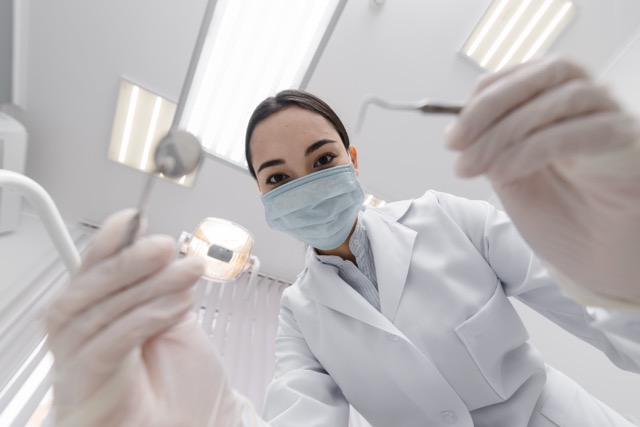
Visual inspection implies using a dental mirror and probe to check the chewing surfaces of teeth for damaged areas. A dental practitioner usually examines alterations in enamel color and roughness. This helps detect fissure caries on the tooth surface but doesn’t reveal the closed type of cavities.
Dental X-Rays
Dental X-rays are perfect for spotting hidden cavities: this method displays teeth and jawbone in detail. The image helps to assess the extent of damage under the enamel surface, which isn’t possible with visual examination.
Modern Diagnostic Technologies
Advanced dental technology offers auxiliary methods to identify initial caries, including:
- Tooth illumination (transillumination). The procedure is performed with a designated lamp that shines a high-intensity light through the patient’s teeth. Zones with fissure cavities and structural defects appear darker.
- Laser cavity diagnostics. This non-invasive method enables a dentist to detect occlusal caries at its early stages. A doctor shines a certain wavelength of laser light onto your teeth. The reflection of healthy enamel differs from decayed areas in the fissures, which helps to understand the extent of enamel demineralization.
Even with no complaints related to your dental health, yearly X-rays are the best preventive method to spot the closed type of fissure caries. For the open occlusal cavities, regular dental examination is enough.
Treatment Options for Pit and Fissure Cavities
Pit and fissure cavity treatment encompasses conservative methods that don’t require drilling and more invasive techniques to remove the affected tissues. The first are mostly used to prevent the disease.
Fluoride Remineralization (Early Stage Only)
Fluoride remineralizing therapy is aimed at enamel strengthening by using varnishes or gels with fluoride. It is considered effective for managing incipient enamel caries, but it can’t help cure the lesions that have already penetrated the dentin.
Preventive Resin Restoration (PRR)
PRR is designed for intricate, hard-to-clean chewing surfaces of molars and premolars with signs of demineralization or incipient cavities. It implies minimal drilling and targeted decay removal. A doctor cleans the affected area and uses composite resin fillings or protective sealants to secure deep grooves.
Composite or Amalgam Fillings
Modern composite or amalgam fillings are used when a cavity has already developed. A dental professional can use local anesthesia to minimize the discomfort. Then they eliminate the affected tissues with a drill and apply a filling that recreates the fissures and chewing cusps. After polishing, you can enjoy an aesthetic and solid solution for 5–10 years.
Root Canal Therapy for Severe Cases
If you ignore the fissure cavity for too long, the decay can reach the dental pulp. It might cause severe pain or infection, raising the need for root canal therapy. It’s reasonable to learn preventive tactics to keep tabs on your teeth’s well-being.
Preventive Strategies
Now, let’s discover the most effective prevention methods for fissure caries.
Dental Sealants: The Most Effective Prevention
Made of a specialized protective material, fissure sealants are mostly recommended for kids, teens, and adults with deep fissures. They secure the chewing grooves on molars, preventing bacterial and plaque buildup.
Fluoride Treatments and Toothpaste
Fluoridation with varnishes, gels, or toothpastes makes tooth enamel stronger and less susceptible to acids and erosion. Fluoride can reverse the early symptoms of decay, but it doesn’t treat the already developed caries.
Proper Brushing Technique for Back Teeth
Brushing your teeth twice a day with gentle, circular motions can contribute to caries prevention. Use a toothbrush with soft or medium-hard bristles and fluoride-enriched toothpaste to make teeth more resistant to cavities. Pay special attention to the fissures of molars since a sticky biofilm tends to form in the deep grooves.
Regular Dental Check-Ups
Dental exams every 6 months can help a dental practitioner spot initial caries on time and stop it without drilling. Professional teeth cleaning helps meticulously clean plaque and tartar at the dental office and treat the beginning-stage decay.
Conclusion
Fissures are a favorable environment for bacteria that promote cavities due to the natural grooves on the chewing surfaces of molars and premolars. It might be challenging to clean them with a toothbrush due to their anatomical peculiarities. If you notice milky spots on the tooth surface, you should take measures to stop them from progressing. Our experienced dentists in the Cosmetic & Implant Dental Office in Forest Hills, NY, offer a professional examination to prevent the disease at the early stages.
Frequently Asked Questions
Can pit and fissure cavities be reversed without a filling?
Pit and fissure cavities can be reversed at the initial stage of demineralization, when white spots appear on the tooth surface. When the decay has broken through the enamel, a hole is sealed with a filling.
Are dental sealants safe for children?
Yes. According to the Centers for Disease Control and Prevention (CDC), children of all ages can benefit from dental sealants. They lower the risk for cavities and are suitable from 2 years old.
Do pit and fissure cavities cause pain?
The disease can cause pain when it progresses and penetrates the deeper tooth layers. Painful sensations aren’t common at the earliest stages of pit and fissure cavities.
Can adults get fissure cavities?
Yes. This cavity type is common in adults, especially those who don’t thoroughly clean deep, narrow grooves on molars and premolars.
When should I see a dentist?
Scheduling a dental appointment every 6–12 months can help monitor the state of your teeth and gums and get essential treatment. Routine checkups allow your doctor to detect cavities, gum disease, and other dental issues. You can visit a dentist any time you have a broken filling or experience an acute toothache, bleeding gums, or heightened tooth sensitivity.
Additional Resources
Read this integrative review to better understand the methods of clinical prevention of dental caries in adults.