Dental Exams Explained: What Happens During Your Visit

Contents
Nearly 36% of the population suffers from a fear of dental treatment, but a paradox is that a regular dental checkup can help you avoid serious interventions in the future. A teeth examination resembles a vehicle inspection, meaning it’s better to spot the malfunction on time than deal with its costly consequences later.
We’ll explain the ins and outs of a dental examination procedure so that you no longer have to hide from your doctor and wait till a cavity appears. Read on to understand what a routine dental exam looks like, why it is indispensable for healthy teeth and gums, and what to expect if you don’t show up in a dental office for a long time.
What Is a Dental Exam?
Let’s start with clarifying “what is a dental screening”. A dental oral exam is an all-encompassing inspection of the current state of your teeth and gums by a trained dental practitioner. Dental examinations are aimed at early detection of potential problems in the mouth and monitoring oral health. They are mainly used to:
- Provide comprehensive teeth cleaning to avert tooth and gum diseases;
- Educate patients on actionable ways to care for their teeth at home;
- Find issues that require professional treatment.
On average, you should book an appointment with your dentist every six months, regardless of age. However, if you suspect gingivitis or expansive cavities, suffer from diabetes or immune-related illnesses, and smoke a lot, you might need to visit a dental professional more frequently. This also refers to pregnant women, as childbearing enhances the risk for gum disease. Depending on a patient’s individual situation, they might need a professional check-up once every 3 months to 2 years to prevent future problems.
Why Dental Checkups Are Important
A routine dental health check up is a fundamental measure for maintaining good oral health. Though mouth self-examination is also useful, you can’t do it equally effectively as an experienced doctor with a vast professional background. Dentists are trained to identify typical oral health problems, including:
- early signs of tooth decay (cavities);
- gum disease (periodontal disease);
- mouth or throat cancer symptoms;
- teeth misalignment;
- bruxism;
- jawbone health;
- infection, etc.
The good news is that most of these issues are treatable, and a teeth exam can largely contribute to the health of your teeth and gums, saving money along the way.
Even if you practice diligent toothbrushing and flossing at home, cleaning between teeth is more problematic, especially when your pearly whites are positioned tightly. Dental plaque doesn’t wait long to accumulate, making cavities in interdental spaces a frequent occurrence. It’s challenging to get into those tiny nooks on your own, but a closer dentist’s look can detect the problem without risking your oral health.
Dental Exam Procedure: What Happens During a Dental Check Up
Understanding what a dental check-up procedure looks like can help you cope with anxiety related to your visit. A typical dental visit comprises these subsequent stages.
| Dental Exam Step | Characteristics |
| Discussing your health history with a dentist | A doctor should be aware of the existing health conditions because some may impact the success of forthcoming dental procedures or exaggerate dental problems. Inform them about chronic diseases, allergies, former surgeries, and dental issues in the past. Remember to note medications you’re presently taking, as they can impact the course and success of dental treatments. This data will empower a dental practitioner to make well-informed decisions about your treatment plan. It would be beneficial to prepare a list of inquiries that cause your concerns so that not to omit anything important. |
| Professional teeth cleaning | A dental practitioner has to remove plaque buildup to proceed to the next phase of teeth exam. When tooth surfaces are clean and polished, it makes dental pathologies more visible and easy to identify. Besides, the procedure can make your enamel several shades lighter, making your smile dazzling! Deep teeth cleaning isn’t painful but strengthens tooth enamel, prevents inflammation of gums, and cavity development. |
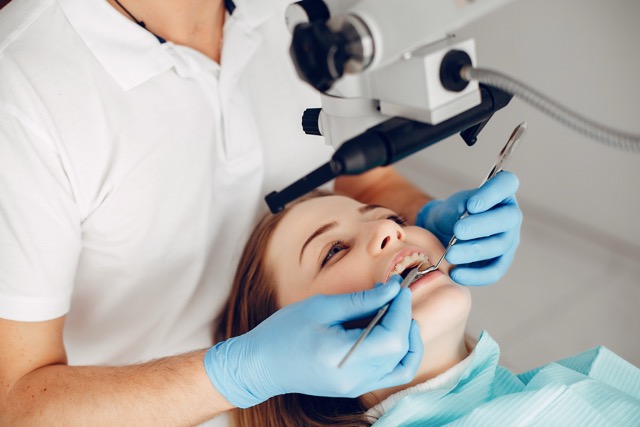
| Visual inspection of your teeth and gums | Meticulous examination of your mouth and (possibly) neck area enables a dentist to detect problems with your teeth, gums, or jawbone. They may use a dental mirror and a probe to check your oral cavity for abnormalities. The doctor will inform you about any signs of cavities, and you can ask them to provide oral health care recommendations tailored to your needs. |
| Dental X-rays (optionally) | In certain cases, you might require additional dental X-rays. They help to reveal such unevident problems as jawbone deterioration, tooth fractures, cavities hidden under old fillings, affected wisdom teeth, and more. A dentist decides whether you need X-rays or visual inspection will suffice. |
Afterward, a doctor will discuss the results of the dental examination with you. They will suggest a personalized treatment plan if some issues need further management. It commonly covers the necessary type of treatment, the number of sessions required, and the total expenditures.
Some specialists in dentistry provide both tooth inspection and professional cleaning services, while others have a more precise scope of work. Learn about the different types of dentists in another article by our expert team.
A dental exam also offers an opportunity to improve your oral hygiene habits. You can ask your doctor which brushing and flossing techniques are the most effective in your case, what mouthwash they recommend, and which toothbrush best suits your specific needs.
What Happens if You Skip Dental Exams
Neglecting dental examination can have poor consequences for your oral health, causing such unpleasant issues as:
- Plaque buildup. When bacteria remain on your teeth unbothered for some time, they start to thrive on the sugars and starches from the consumed food and produce harmful acids. This can result in plaque, a soft, sticky, and unsightly film covering your teeth that can promote tooth decay, gum disease, tooth sensitivity, and bad breath.
- Tartar formation. If you don’t eliminate plaque on time, it will harden and develop into tartar. Mere brushing can’t dispose of these yellow or brown deposits, so the condition requires professional intervention. If left untreated, tartar can cause bleeding gums, tooth discomfort while chewing, and cavities in between teeth.
- Tooth sensitivity. Tartar and plaque accumulation can provoke gum recession, which is the exposure of the tooth roots. This can cause significant discomfort when you consume hot, cold, or sugar-rich foods.
- Chronic bad breath. Persistent bad breath is a distinct marker of underlying issues such as gum disease or tooth decay. It might be challenging to self-diagnose unless someone tells you about it.
- Tooth discoloration. Colored foods and drinks like tea, coffee, and wine can gradually stain your teeth. If you smoke, your once pearly whites can get so-called “tobacco stains”. Deep discoloration can be removed only in a dental office.
An experienced dentist is trained to detect these and other unfavorable tooth conditions during a dental exam. It can help handle the existing problems and monitor dental issues at their onset before they become too expensive to treat.
Frequently Asked Questions About Dental Checkups
How long does a dental exam take?
The initial inspection of your oral cavity can range from 10 to 15 minutes, based on its individual structure. However, it can last longer if you have a convoluted bite or numerous dental restorations. The timing increases if you want a doctor to substantially consult you on the findings, the forthcoming procedures required, and oral care tips.
What does a dental exam consist of?
A standard dental exam encompasses sharing your concerns and medical history with a dentist, in-office tooth cleaning, thorough inspection of your teeth, gums, and other soft tissues in the oral cavity, and dental X-rays (at times). This comprehensive approach lays a solid foundation for good oral health.
Are dental exams painful?
No, dental examinations are generally pain-free. Patients with heightened tooth sensitivity might feel minor discomfort during teeth cleaning, but a doctor will take measures to improve your experience in a dental chair.
Additional Resources
- Dental anxiety is common for both adults and kids. Learn how to talk with children about dental visits in a concise article by the U.S. Department of Health & Human Services.
- We’ve discussed the standard procedure of a dental examination, but emergencies can happen. Learn what a professional assessment looks like if you have a dental injury.