5 Best Alternatives to Braces for Teeth Straightening
Contents
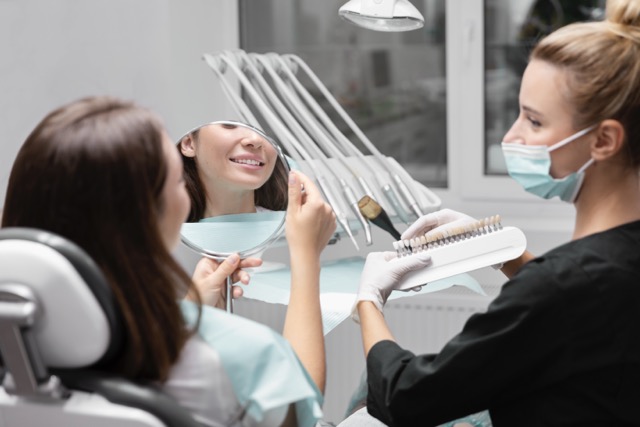
Traditional metal braces have proven effective in straightening misaligned teeth, but they also present a range of challenges. General discomfort, specific dietary limitations, and aesthetic concerns prompt many people to seek an actionable alternative to braces for teeth. If you are looking for a more discreet yet potent way to achieve a flawless smile, consider our compilation of braces alternatives. From clear aligners to dental bonding—we’ve examined numerous means of cosmetic dentistry to fix your problems without conventional braces.
Orthodontic Alternatives for Braces (Straightening Teeth)
If you wonder, “What can I get instead of braces for teeth straightening?” you shouldn’t rush with the decision. The solution has to meet your individual needs. Read on to learn which other options besides braces orthodontists offer.
- Clear Aligners (Invisalign)
This innovative alternative for braces combines the effectiveness, comfort, and visual appeal, while moving teeth into the correct position. Aligners are a series of clear plastic trays, custom-made in a dental lab to fit snugly over the teeth.
Invisalign ensures teeth alignment without braces but requires self-consciousness and discipline. You should wear them for 22+ hours daily to ensure the desired outcomes. Unlike conventional braces, you can take aligners off before meals or brushing your teeth, which greatly simplifies oral hygiene. Since the trays are practically undetectable, they won’t affect your confidence in the social environment.
- Lingual Braces
Another example of effective braces alternatives for adults, lingual braces are attached to the back of teeth, making them completely hidden from prying eyes. However, such invisibility makes them more challenging to clean from plaque and food particles. The aesthetic benefits are backed up by remarkable efficiency—lingual braces gradually shift your teeth into the correct position.
Their custom design and placement affect the price: metal braces are considered cheaper. This personalized treatment might seem uncomfortable at first, but patients report adjusting to the feeling of brackets and wires in their mouth over time.
- Ceramic (Clear) Braces
Ceramic braces are among the least noticeable alternatives to braces: the construction features translucent or tooth-colored brackets that ensure a less visible look. This straightening method is equally effective for teeth misalignment, overcrowding, and other bite issues. However, delicate materials require more deliberate care: ceramics are more fragile and can stain over time.
The enhanced visual appeal of ceramic braces makes them more expensive than conventional ones. If you carefully handle your orthodontic investment, you can enjoy the polished appearance and precision.
Cosmetic Braces Alternatives (Camouflaging Issues)
Sometimes patients seek alternatives to braces for adults that don’t imply orthodontic intervention. If you don’t want to wear braces for years yet strive to get an aesthetic smile, consider the following options.
- Porcelain Veneers
Porcelain veneers can make teeth visually straight by concealing gapped, crooked, or stained teeth. This immediate solution can save several years of consecutive orthodontist’s visits, but it can’t cover severe bite problems. Besides, once you get thin porcelain shells bonded to your teeth, the procedure can’t be undone.
The reason is that a dentist needs to take off a tiny amount of enamel before the veneer placement. This treatment can mildly correct tooth shape, size, and color, but significant bite misalignment inevitably requires moving your teeth.
- Dental Bonding
Dental bonding belongs to the cheaper alternatives to braces, as it can enhance the appearance of misshapen, cracked, chipped, or discolored teeth. Like veneers, this treatment doesn’t position teeth properly, but it can cover uneven spaces between teeth. The procedure involves applying a light-cured polymer material to problematic areas for restorative purposes.
If you hesitate about whether to choose dental bonding vs. veneers, read our comprehensive overview. However, keep in mind that the best solution should be taken only in collaboration with a credible dental practitioner, as the matter of teeth straightening should be viewed from different angles.
Which Option Works Best for Different Cases?
Below is a brief compilation of different braces variations with their main characteristics. You can compare these criteria to those of metal braces.
| Criterion/Treatment Method | Metal Braces | Clear Aligners (Invisalign) | Ceramic (Clear) Braces | Lingual Braces | Porcelain Veneers | Dental Bonding |
| Treatment Time | 1–3 years | 6–18 months | 1,5–3 years | 18–36 months | Around 3 weeks for placement | 30 minutes– 1 hour per tooth |
| Cost | $3,000–$7,500 | $4,000–$8000 | $4,000–$8,500 | $5,000–$13,000 | Around $1,765 per tooth (the national average price) | Nearly $431 (the national average cost) |
| Visibility | Striking metal shine | Practically invisible | Delicate, polished appearance | A discreet option | Flawless aesthetics | Natural look |
| Corrective Ability | Major bite issues | Major bite issues | Major bite issues | Major bite issues | Minor cosmetic issues | Minor cosmetic issues |
Conclusion
The decision to opt for an alternative to braces should be based on your specific dental needs, but it’s also vital to consider your financial situation and lifestyle. Clear aligners and ceramic or lingual braces are effective for mending moderate to severe bite issues, while veneers and dental bonding are used for immediate cosmetic fixes.
It’s reasonable to make an appointment with an experienced dentist to check which option fits your case best. A doctor will take into account the peculiarities of your personal lifestyle and develop the treatment plan to enhance your smile appeal.
Frequently Asked Questions About Braces Alternatives
Can I straighten my teeth without braces?
Yes, several options are designed to correct the bite without braces, but you shouldn’t rely on their popularity or cost. The choice between clear aligners, lingual and ceramic braces that shift teeth to the right position, or veneers and dental bonding that mask minor cosmetic issues should be made in collaboration with a dental professional.
Are clear aligners as effective as metal braces?
Yes, Invisalign is as effective as metal braces for mild or moderate bite issues. However, a patient might need conventional braces if the treatment is more complex and requires steady expert supervision over tooth movement.
What is the fastest way to straighten teeth?
If you don’t rush for an immediate solution that only conceals the problem but does not affect your teeth positioning, you might consider Invisalign treatment as the fastest way to straighten teeth. You need discipline to wear clear aligners, but they can fix teeth misalignment in 6–18 months.
Do retainers work as an alternative to braces?
No, retainers are meant to secure the result of orthodontic treatment, but they don’t move teeth into another position. For teeth straightening, you should consider braces or clear aligners.
Additional Resources
If you doubt whether clear aligners might be as effective as metal braces, read this systematic review on their accuracy.