How to Prepare for Tooth Extraction
Contents
The upcoming tooth extraction might cause a lot of worries, but don’t let your fear get the best of you. Conquer dental anxiety by understanding the intricacies of the prep for tooth extraction with our step-by-step expert guide. We’ll clarify what preparing for tooth extraction involves, what to do on the procedure day, and which mistakes to avoid to prevent possible complications. Let’s make saying farewell to a problematic tooth easier!
What Is Tooth Extraction and When Is It Needed
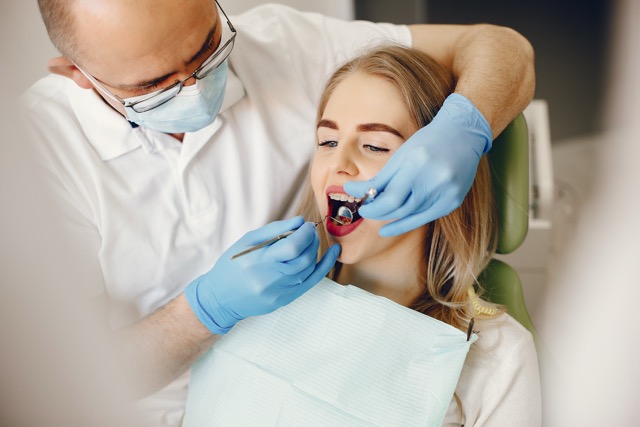
A tooth extraction implies removing a severely damaged tooth from the socket in the patient’s jawbone. A qualified oral surgeon usually performs the procedure, primarily applying local anesthesia to numb the affected tooth site. The doctor may offer general anesthesia for complex cases such as multiple teeth extraction or wisdom tooth removal. Then they use specialized tools to eliminate the affected tooth and suture the area if needed.
The common reasons for the procedure encompass:
- severe tooth decay;
- oral infection;
- overcrowding;
- impacted wisdom teeth;
- dental trauma;
- gum disease;
- impending orthodontic treatment.
The extraction of one tooth usually takes 30 to 60 minutes, but an oral surgeon might need more time to process multiple teeth.
What to Do Before Tooth Extraction
Here are some actionable tips on how to prepare for a tooth extraction.
- Follow Your Dentist’s Instructions
Use your dental appointment to the maximum: clarify all your questions and concerns with a dentist in advance. Ask the doctor for specific guidelines tailored to your case. Make sure to prioritize these instructions above all tips for getting a tooth pulled on the Web.
- Medications to Avoid or Adjust
A doctor may prescribe pain relievers and antibiotics to facilitate post-op discomfort and prevent future complications. If you already take any medications, inform the dental practitioner about it before the procedure to ensure their compatibility.
- Eating and Drinking Before Tooth Extraction
Your doctor may tell you to adhere to fasting instructions the night before the treatment in case general anesthesia is involved. Local anesthesia commonly doesn’t require avoiding foods or drinks. You should pay attention to pre-extraction grocery shopping, as certain foods must be avoided during the initial days following the procedure.
- Oral Hygiene Before the Procedure
Tooth extraction preparation also involves thorough yet gentle tooth brushing on the morning of the procedure. Avoid scrubbing the extraction site with a toothbrush and skip a mouthwash containing alcohol so as not to irritate the gums. Remember, pre-extraction oral hygiene is crucial as it reduces the risk of infection on the surgical site.
Day of the Procedure: Final Checklist
The conclusive preparatory stage before tooth extraction includes:
- Adhering to the fasting guidelines provided by your doctor.
- Taking the approved medications (optionally).
- Dressing comfortably in loose-fitting clothes.
- Putting aside jewelry or accessories that might hinder the treatment.
- Arriving at a dental office 10 to 15 minutes earlier to deal with essential paperwork and have some time to calm down.
How to mentally prepare for a tooth extraction? First, understand that dental anxiety is your body’s natural response to stressful conditions. Address your concerns to a dental team so that you are not overwhelmed by nervousness. You may establish hand signals that indicate you need a tiny break during the procedure. Relaxation techniques such as mindfulness meditations and deep breathing can also activate a calming response in your body.
Common Mistakes to Avoid Before Tooth Extraction
Doing the following can potentially lead to long-term problems:
- Neglecting pre-op oral hygiene practices. If you don’t follow dental care recommendations, especially after surgery, this may lead to pain, swelling, and infection.
- Concealing your underlying health issues. Heart and liver diseases, an impaired immune system, and diabetes heighten the risk of complications. Inform a doctor about your medical history before the procedure.
- Standing against painkillers or anesthesia. The treatment involves the application of pain management practices for utmost comfort and security. Even if you are fully into the “all-natural approach”, dental extraction isn’t the right time to experiment with non-medical methods.
- Eating before surgery (varies). Recommendations differ based on the type of anesthesia applied: if you are getting general anesthesia, fasting is required 12 hours before the surgery. Discuss this issue with your doctor prior to the procedure.
- Putting on uncomfortable clothes. Dental extraction might be stressful, so you don’t want to exaggerate it by dressing in tight garments.
- Smoking or drinking alcoholic beverages. They can impede healing and cause the risk of postoperative complications.
Dental surgery requires certain precautions, but doing everything right can significantly boost the recovery process.
Conclusion
Knowing how to prepare for tooth extraction contributes to a smooth recovery and diminishes dental anxiety. The main preparatory steps include clarifying your questions with a dentist at the initial consultation, following pre-surgery medication and eating instructions, and gently brushing your teeth on the procedure day.
Be honest about your health history, dress comfortably, and avoid smoking and alcohol consumption for a defined time before tooth extraction. These plain measures promote a smooth and predictable healing process. If you have any more questions about the procedure intricacies, our qualified dental team in Forest Hills, NY, will gladly help you achieve peace of mind. Contact us through the online form, and wait for a quick reply.
Frequently Asked Questions About Prep for Tooth Extraction
Can I eat before a tooth extraction?
We recommend avoiding large meals close to the extraction time if you have local anesthesia. Light meals taken a few hours before the surgery will help you feel more comfortable during the procedure. If general anesthesia is applied, you should strictly follow your doctor’s fasting instructions. Commonly, you need to refrain from food and drinks for 6 to 12 hours before sedation.
Can I drive myself home after a tooth extraction?
You’d better arrange transportation and ask your family members or friends to drive you home after the procedure. Even if you have local anesthesia, be caring for yourself for the rest of the day. If a doctor used general anesthesia, refrain from driving for the next 24–48 hours.
How do I reduce anxiety before a tooth extraction?
Talk to your dentist prior to the procedure to diminish anxiety and practice relaxation techniques such as deep breathing or mindfulness meditation to calm down before surgery. If you suffer from severe anxiety, consult with your dentist about sedation options.
Is preparation different for wisdom tooth extraction?
To prepare for tooth extraction of third molars, you have to follow the same guidelines as for your other teeth. Stock soft foods, arrange transport, adhere to fasting rules for general anesthesia, and organize a calm space for smooth recovery. However, you might need more days-off at work or study since sometimes wisdom tooth removal is accompanied by complications.
Additional Resources
- Though tooth extractions are routine dental treatments, some people may prefer non-surgical dental extractions. Read about these progressive techniques in the study by the National Library of Medicine.
- Learn how to care for your mouth after tooth removal at the Veterans’ Health Library.